Locations






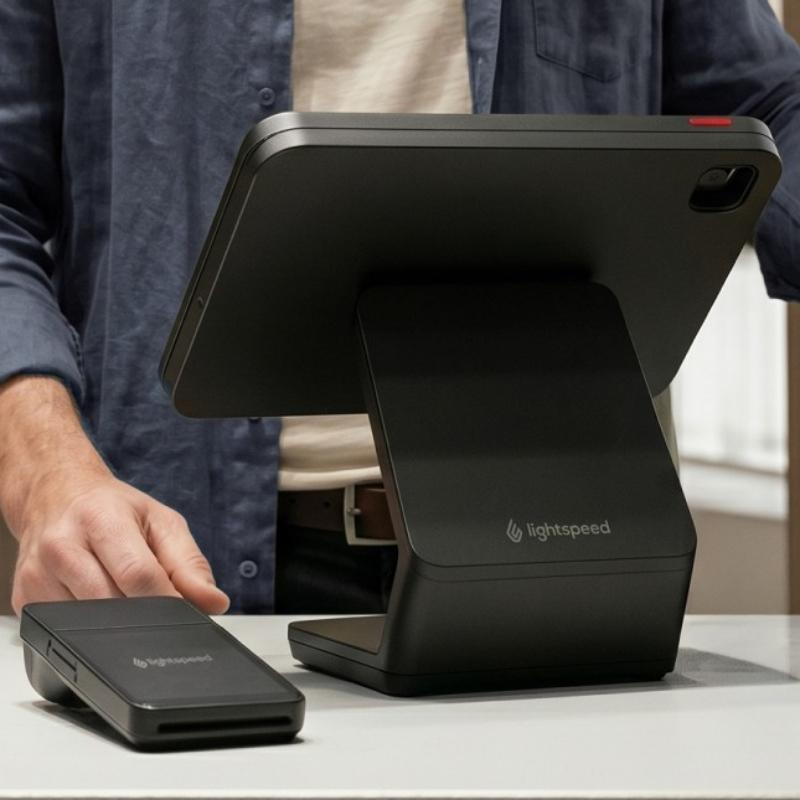
Lightspeed Commerce Inc. (LSPD-T) has partnered with ShipStation to help retailers ship more orders from their store shelves as the Montreal-based company pursues larger customers and a bigger share of their online sales.
The company struck a deal with ShipStation earlier this month that connects the shipping provider’s tools to Lightspeed’s point-of-sale and ecommerce software, allowing eligible Lightspeed retail customers to fulfill orders using inventory held across stores and warehouses.
For Lightspeed founder and CEO Dax Dasilva, the ShipStation partnership targets established retailers that want to sell more online but lack the staff to manage their supply chain ambitions.
He said he hopes this new service offering will help merchants with the complex details of opening a web store, where an order should ship from, which carrier to use and how to fit that work into the retailer’s existing operations.
“I think we’ve got the inventory and capabilities to support this, but we haven’t had the built-in fulfilment piece,” Dasilva said in an interview with TechNX.
Shipping from store shelves
The integration brings orders and inventory information from Lightspeed into ShipStation’s shipping process. Retailers can decide which location should fulfill an order and use automation rules to reduce the number of decisions employees make manually. ShipStation also provides access to a global carrier network and shipping options based on cost or speed.
A retailer with stock in several locations could, for example, arrange delivery from a store closer to the customer, Dasilva said. Staff would have access to the inventory and order information needed to make that decision, rather than managing each shipment separately.
For shoppers, the intended benefit is access to products beyond what is available at the store they visit, along with more delivery options. For merchants, Dasilva expects lower shipping costs and less time spent arranging deliveries, leaving employees more time with customers.
Much of that work is currently done piecemeal with retailers often shipping orders individually, Dasilva said. He expects ShipStation’s carrier relationships to help cut shipping costs, while centralizing orders should make it easier for retail employees to keep track of what needs to go out, but noted it was too early to provide figures on how much this new deal will save retailers on shipping or operating costs.
Competing for larger retailers

The partnership also supports Lightspeed’s effort to sell to bigger businesses with more demanding inventory needs. Dasilva pointed to retailers selling bikes, golf equipment, footwear and jewellery, where large catalogues, parts and repair services can complicate operations.
“We’re looking to grow up market with more complex retailers,” he said.
These businesses increasingly have orders arriving through stores, websites and social media. Dasilva said added fulfillment work can become a barrier to expanding online, particularly when retailers expect their existing employees to handle that work.
“They don’t necessarily have a lot more staff,” he said.
ShipStation already works with competing commerce providers, including Shopify and BigCommerce, but Dasilva said Lightspeed’s advantage assists with in-store selling processes and complex inventory management.
Analysts say Lightspeed’s growth plans rely on getting existing customers who already use its software to tack on more business with the company. In a research note published in July following its fiscal Q1 2027 results, BMO Capital Markets analyst Thanos Moschopoulos said he expected stronger software growth and greater adoption of Lightspeed Payments to improve profitability.
“Competition is a key concern,” Moschopoulos wrote, although he said Lightspeed had “a differentiated offering within its targeted market segments.”
Moschopoulos said revenue from Lightspeed’s core North American retail and European hospitality markets rose 20 per cent from a year earlier and accounted for 75 per cent of its total revenue.
Boosting subscriptions and payments
Dasilva said Lightspeed does not charge customers for the ShipStation integration, but retailers must sign up for a separate ShipStation subscription to access the service. Terms between Lightspeed and ShipStation were not disclosed, he added.
Dasilva said the offering should help Lightspeed win larger customers and encourage existing merchants to expand their online sales, and also increase the sales volume processed through Lightspeed Payments. Transaction-based revenue accounted for roughly two-thirds of Lightspeed’s US$322.7 million revenue in its fiscal first quarter.
“We’ll be monitoring that to see what adoption is like,” Dasilva said.
Lightspeed expects to continue seeking opportunities to automate retail work, including importing product catalogues and managing inventory, he added. Lightspeed is looking at how AI agents could perform tasks with human approvals, while distinguishing that work from the shipping automation offered through ShipStation.
For now, Dasilva wants the ShipStation partnership to help physical retailers build an online business they can manage with the people and inventory they already have.
“I want businesses to have a bigger business at the end of this year by being able to confidently go online,” he said.


 Industry Events
 Locations