
 Locations
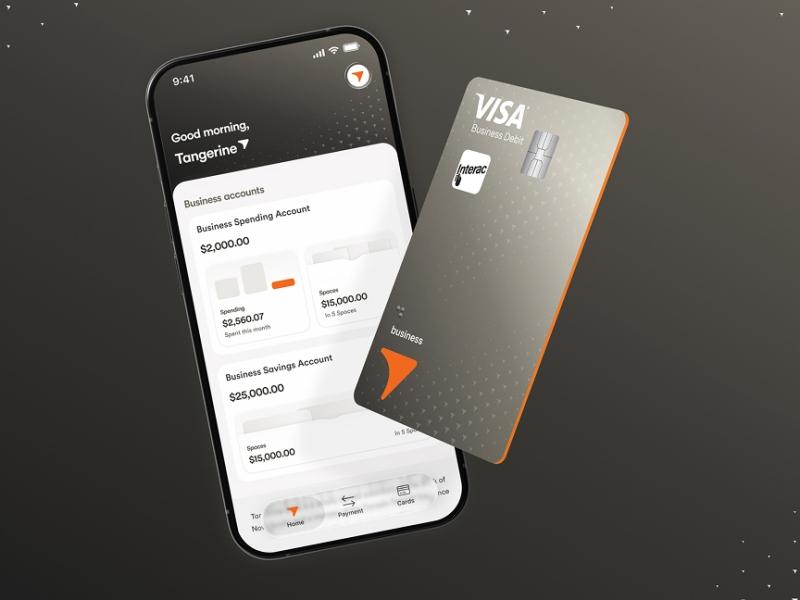





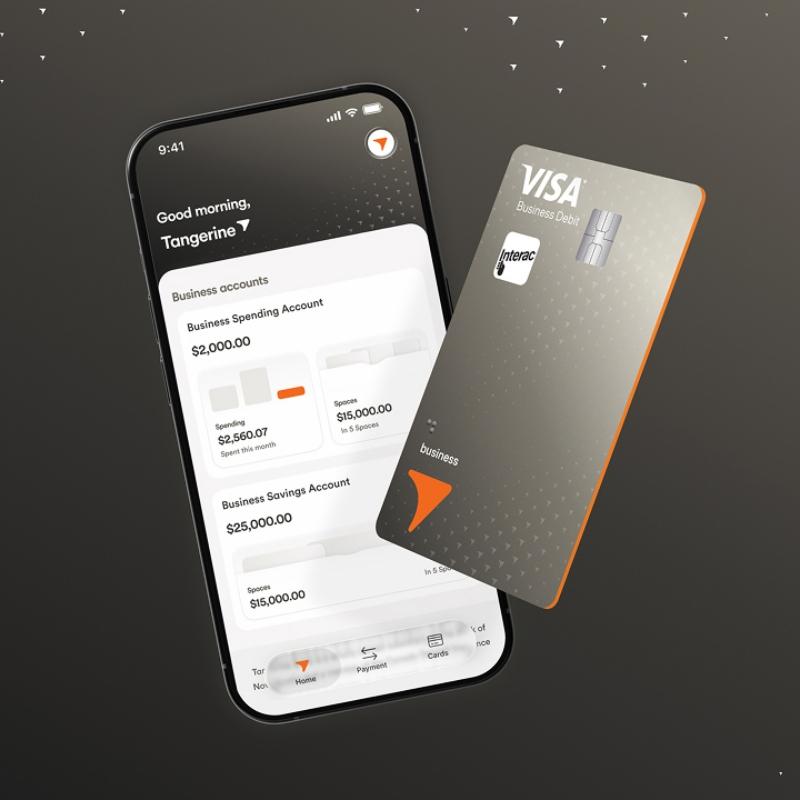
After nearly three decades selling branchless banking services to Canadians, Tangerine wants to bring that same model to a growing group of people who run businesses and may not necessarily think of themselves as traditional entrepreneurs.
The bank, an independently operated subsidiary of Scotiabank, launched Tangerine Business this month during a flashy event held at Toronto’s Design Exchange, its first product built on a new banking platform from British technology company Engine by Starling.
The offering includes a spending account that pays business clients 1.25 per cent interest, a savings account that pays three per cent, short-term overdraft financing through FlexiDraft and “Spaces,” a new feature that lets users separate money for expenses such as taxes or payroll.
A Tangerine spokesperson declined to specify how many business clients are using its new business platform, but said it will allow more sign-ups “over the coming weeks” and into 2027.
For Tangerine chief technology officer Matt Clements, the biggest change to its business is underneath the app itself, following its 10-year agreement with Engine it struck last November. After less than a year of development, the bank is relying on the Engine platform to handle its core banking infrastructure needs while Canada-specific features are deployed by its internal team.
“We could leverage (Engine’s) capabilities, deploy them quickly here in Canada, and then focus on building differentiated experiences on top,” Clements said in an interview with TechNX.
Using a SaaS platform to create a new bank service
That did not mean simply importing a British banking product off the shelf. Clements said Tangerine had to adapt Engine’s platform to Canadian regulations and payment systems, including Interac debit and e-transfers, as well as Canadian anti-money-laundering requirements.
But instead of coding a new application process each time the bank wanted to add a product, Clements said Engine lets Tangerine configure many of those elements through the platform. It also cut development time to months instead of the years it might have taken to build the app from the ground up internally, he added.
“You can basically configure a new product with a few clicks,” he said.
While using an outside core provider means that a critical part of Tangerine’s infrastructure was in the hands of a third party, Clements noted that Tangerine’s Canadian customer data is hosted in Canadian data centres.
A different kind of entrepreneur

Tangerine’s backend upgrade is tied to a broader bet by the bank about who it views as a potential business customer.
A report by PwC Canada on behalf of Tangerine surveyed 552 Canadian entrepreneurs in July, including business owners, freelancers, contractors, side-business operators and gig workers. It found 52 per cent did not identify with the traditional definition of an entrepreneur, while only half said their bank viewed them as a business client.
The report included data cited from Statistics Canada where the number of business locations without employees has increased 24 per cent since 2020, compared with just a four-per-cent rise among employer businesses.
Clements said that shift influenced how Tangerine thought about tapping the entrepreneur market.
“Many people feel like their bank doesn’t actually see them as a business client,” he said. Some are still using personal accounts, while others may be too small or too simple to fit the conventional small-business banking model.
It has also become a crowded market. EQ Bank, Venn and Float Financial are among several Canadian digital-first financial services companies already courting entrepreneurs and small businesses, often combining accounts with payments, cards, expense management or accounting tools.
Clements said Tangerine expects to eventually serve more of a business’s financial needs through its platform and other features that Engine has integrated with banks in other markets.
“I wouldn’t say it’ll be pared down,” he said when asked whether Tangerine envisioned a simpler offering. “We do expect to serve the whole business.”
One app to rule it all
Tangerine is also positioning the launch of its business-centric app as a starting point for a broader overhaul of its banking offerings.
Clements didn’t give a timeline for when its existing personal banking customers would transition onto the new platform, but said the new app creates the foundation for that move. Eventually, Tangerine plans to make its app a unified experience spanning personal banking, business banking and wealth, he said.
Artificial intelligence (AI) tools are likely to be a key part of that roadmap. Starling Bank, which is separate from Engine but owned by the same parent company (Starling Group), introduced AI features for its business customers in Britain. Clements said Tangerine is looking at ways AI could help both its customers and employees, although Starling’s banking features are not automatically available to Engine clients.
For now, Tangerine is still testing how far the platform can take it.
“We expect to see a lot of new features over the next few months released on this platform,” Clements said.




 Industry Events
 Locations